Pipe Leak Detection in Denver, CO
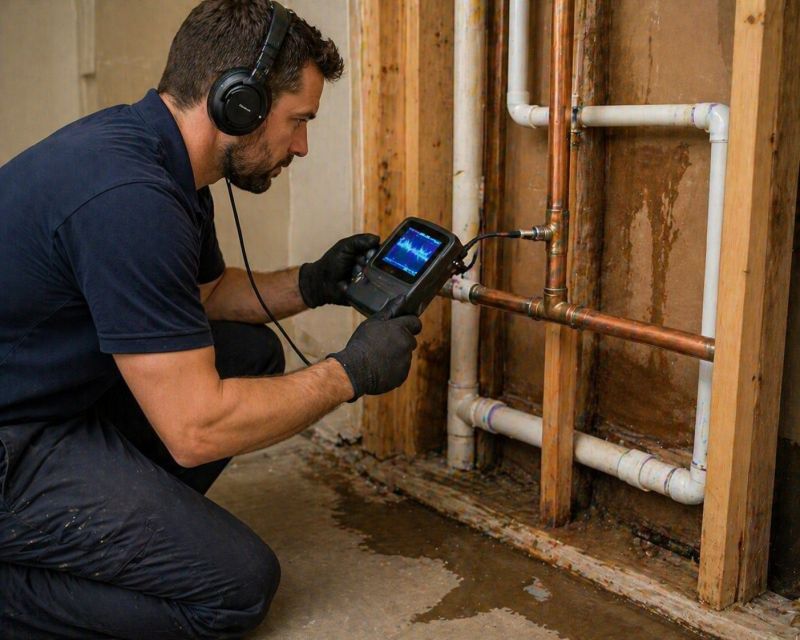
Pipe leak detection services involve specialized techniques to identify hidden leaks within plumbing systems, walls, floors, or underground pipes. These services are commonly requested for projects such as sudden increases in water bills, unexplained water stains, or the presence of mold and musty odors. Property owners typically want to understand the location and severity of leaks without causing unnecessary damage to their property, making non-invasive detection methods essential for accurate and efficient results.
Before requesting pipe leak detection, homeowners should consider the age and condition of their plumbing, as well as any recent plumbing repairs or renovations. It’s helpful to have details about recent water pressure issues, persistent damp spots, or unusual sounds from pipes, as these can assist in pinpointing problem areas. Clear information about the property’s layout and the specific concerns can support effective detection, minimizing disruption and ensuring that leaks are addressed promptly and accurately.
Many property owners in Denver, CO look into Pipe Leak Detection for repairs, replacements, upgrades, and appearance-related improvements.
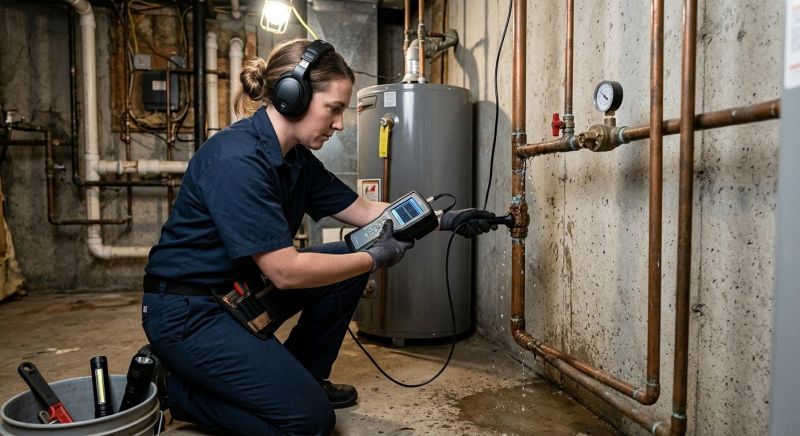
Identifying Hidden Leaks
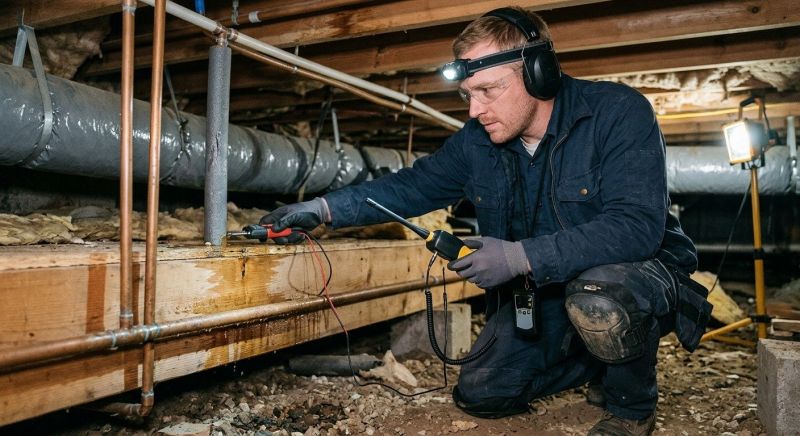
Advanced detection methods help locate leaks that are not visible on the surface.
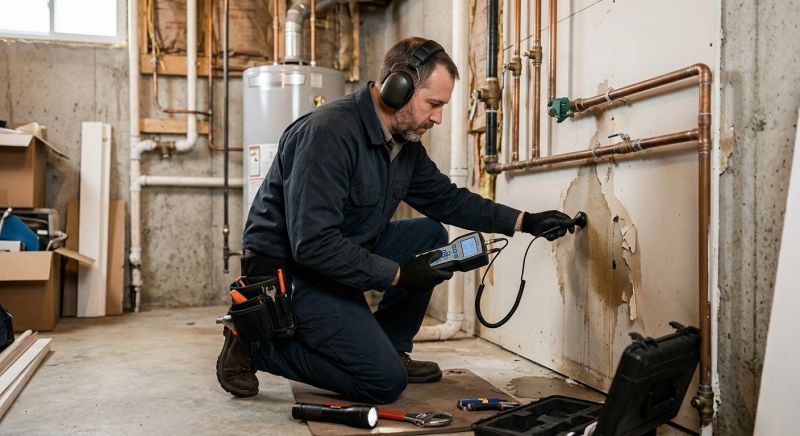
Preventing Water Damage
Early leak detection reduces the risk of costly water damage to your property.
Maintaining Plumbing Integrity
Regular leak inspections help preserve the longevity and safety of plumbing systems in denver homes.
Pipe Leak Detection in Denver, CO

Pipe leak detection services involve specialized techniques to identify hidden leaks within plumbing systems, walls, floors, or underground pipes. These services are commonly requested for projects such as sudden increases in water bills, unexplained water stains, or the presence of mold and musty odors. Property owners typically want to understand the location and severity of leaks without causing unnecessary damage to their property, making non-invasive detection methods essential for accurate and efficient results.
Before requesting pipe leak detection, homeowners should consider the age and condition of their plumbing, as well as any recent plumbing repairs or renovations. It’s helpful to have details about recent water pressure issues, persistent damp spots, or unusual sounds from pipes, as these can assist in pinpointing problem areas. Clear information about the property’s layout and the specific concerns can support effective detection, minimizing disruption and ensuring that leaks are addressed promptly and accurately.
Many property owners in Denver, CO look into Pipe Leak Detection for repairs, replacements, upgrades, and appearance-related improvements.
Common Pipe Leak Detection Jobs
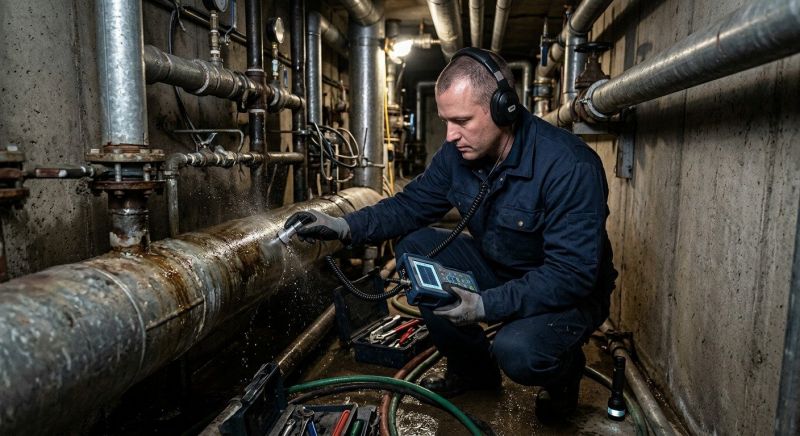
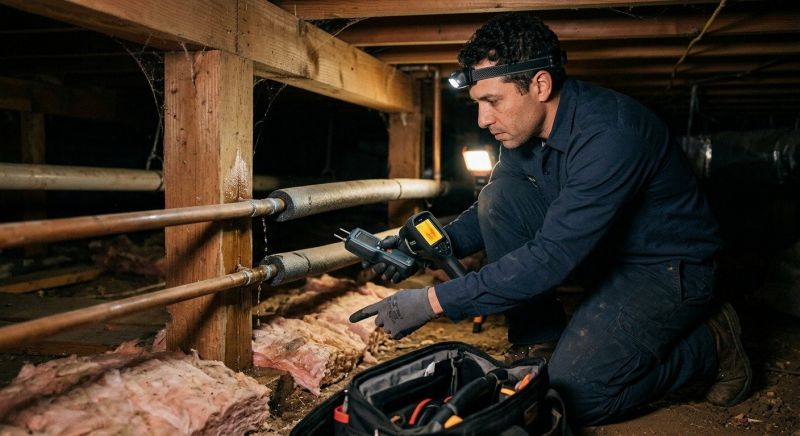
Residential plumbing inspections identify hidden leaks in pipes behind walls and under floors.
Underground pipe scans locate leaks in buried water lines without extensive excavation.
Leak detection for irrigation systems helps find leaks in sprinkler lines to prevent water waste.
Commercial property assessments detect leaks that could cause structural damage or water loss.
Emergency leak pinpointing quickly locates leaks to minimize water damage and property disruption.
Pipe integrity testing assesses pipe condition to prevent future leaks and costly repairs.
Pipe Leak Detection Questions
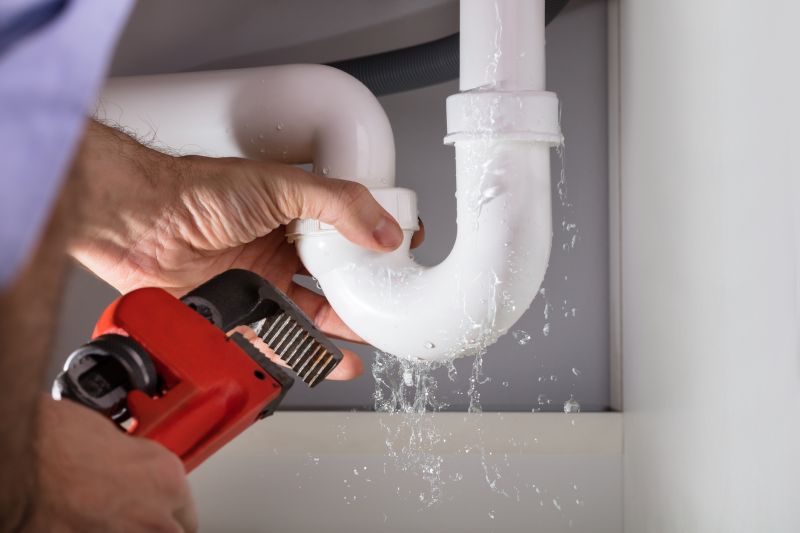
How can I tell if I have a pipe leak? Signs include unexplained water bills, damp spots on walls or floors, and decreased water pressure.
What areas are typically checked during leak detection? Common areas include behind walls, under floors, in basements, and around outdoor plumbing fixtures.
Is pipe leak detection invasive? Some methods are non-invasive, using specialized equipment to locate leaks without damaging property surfaces.
Why should property owners consider professional leak detection? Accurate identification of leaks helps prevent water damage and reduces unnecessary repairs.
Request Pipe Leak Detection in Denver, CO
Use the quote form on this page to share the basics of your project and request more information for the type of work you need.